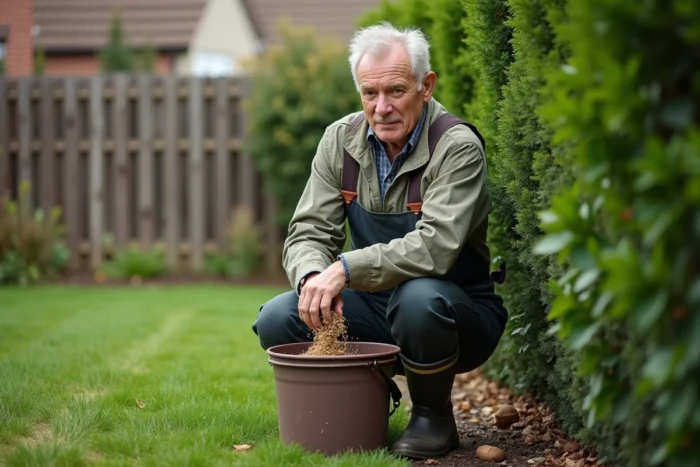
Bordeaux mixture, although banned in certain contexts, remains permitted for treating palm laurels in private gardens. Copper-based treatments are only truly effective against certain fungal diseases, and their use must adhere to specific periods to avoid harming the plants or the environment.
Inappropriate use can exacerbate phytotoxicity issues or encourage the emergence of resistance in pathogens. Application recommendations vary according to weather, growth stage, and attack intensity, requiring particular vigilance to achieve satisfactory and lasting results.
Why are palm laurels susceptible to diseases and what signs should alert you?
The palm laurel has a certain appeal with its abundant and never-bare foliage, but this same asset conceals a weakness: its tendency to attract diseases caused by fungi. The rapid growth and density of its hedges create a humid microclimate, perfect for various pathogens to settle. Powdery mildew, for example, often appears as a white veil on young shoots: this is not just a detail; it is the signal that action is needed.
Here are the signs that deserve your full attention to prevent the disease from taking hold:
- Brown or black spots on the leaves, sometimes surrounded by a yellow halo
- Leaves that deform or wilt abnormally
- Early leaf loss, well before the usual season
- Slowed growth, the hedge seems to stagnate
- Molds or rot settling at the base of the stems
The period when the weather is capricious, such as a rainy spring or autumn, heightens these risks, so it is essential to stay vigilant. If you spot any of these symptoms, treating palm laurels with Bordeaux mixture helps limit the progression of fungal diseases. It is better to intervene at the first signs, without waiting for the disease to spread. This reflex applies to both cherry laurels and oleander laurels, which share this vulnerability. Regularly inspecting leaves, stems, and buds gives you the chance to act at the right moment, without multiplying treatments and while preserving the vigor of the shrubs.
Using Bordeaux mixture correctly: practical tips for effective and respectful treatment of your laurels
Bordeaux mixture, this well-known blend of copper sulfate and lime, has proven effective against the fungal diseases of palm laurels. To be effective, the dosage must be precise: generally, count between 10 and 20 grams of powder per liter of water, but it is essential to check the manufacturer’s recommendations. Prepare the solution just before treatment, using a clean sprayer to avoid any accidental contamination.
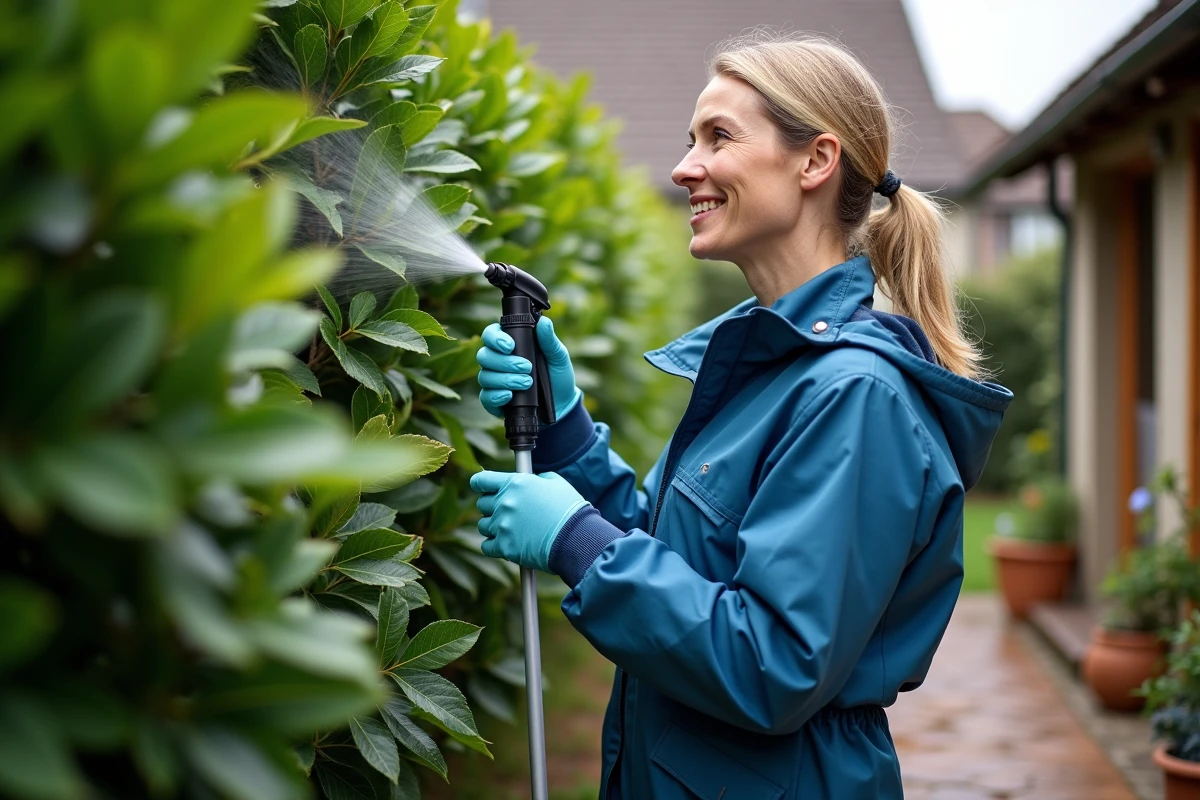
The best time to treat? Right at the beginning of spring or autumn, when humidity favors the emergence of fungi. Wait for dry, windless weather: the solution adheres better, and the treatment does not run off to the ground. Spray carefully over the entire foliage, without soaking excessively, to avoid waste and undesirable effects.
Here are some principles to remember to optimize application:
- Avoid treating during high heat or just before forecasted rain, as this significantly reduces effectiveness.
- Protect young leaves, which are particularly sensitive to copper.
- Respect intervals between applications, or risk accumulating copper in the soil, which is not good for the plant or biodiversity.
After each treatment, thoroughly clean your equipment. This basic gesture ensures effective applications over time and limits the unintentional spread of products. When used wisely, Bordeaux mixture fits into a thoughtful approach, serving the health of the palm laurel and respecting the natural balance of the garden.
Alternatives and best practices to strengthen the health of your laurels throughout the seasons
Preventive measures and maintenance gestures
To keep palm laurels vigorous, nothing replaces a preventive strategy. A well-draining soil, occasionally enriched with organic matter, limits stagnant moisture that encourages fungi. Remember to clear the base of the shrubs and systematically remove dead leaves, which are true reservoirs for spores.
Here are some actions to adopt to limit the vulnerability of palm laurels:
- Opt for targeted watering at the base, without wetting the foliage
- Prune in early spring, as this promotes aeration and avoids excessive density
- Inspect regularly: spots or white mildew are early warning signals
Biological alternatives and natural tips
Additionally, diluted baking soda (5 g per liter of water) can serve as a preventive barrier against powdery mildew. Some gardeners rely on horsetail infusions, valued for their antifungal effect. Others use coffee grounds or a drop of olive oil at the base of the laurels, tips passed down through generations to naturally strengthen plant resistance.
Helping a hedge of palm laurels thrive also means betting on the diversity around it, consistent maintenance, and attentive observation. In each season, adapt your actions: this is where robustness is determined, much more than in the mechanical repetition of treatments. Cultivate vigilance, and your laurels will become the discreet symbol of a balanced and sustainable garden.