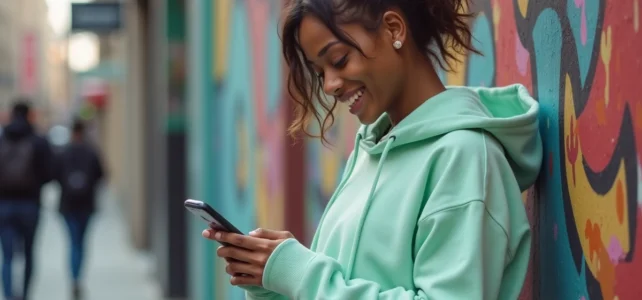
In 2024, the information, consumption, and health practices of 15-30 year-olds have undergone rapid changes. Several indicators published this year reshape the portrait of a generation whose habits are distinctly different from those of their elders, whether in their relationship with screens, online shopping, or substances.
Vaping and Tobacco Among Young People: The Health Shift of 2024
The EnCLASS and ESPAD surveys, summarized by the OFDT, document a historic decline in daily smoking among French high school students: the rate dropped from 17.5% in 2018 to 5.5% in 2024. In middle school, daily smoking has become nearly marginal, at 0.9%.
This decline in tobacco use does not mean that adolescents are turning away from nicotine. Vaping has taken over, with varying intensity depending on the educational track. In vocational high schools, the proportion of daily vapers reaches 11.1%, a figure significantly higher than in general tracks.
Current youth health news therefore focuses on a shift in usage, not on a disappearance of risk. Prevention policies must integrate this new reality, and media outlets covering the topic, such as newsyoung.fr, allow for tracking these developments throughout the year.

Social Media and Youth Information in 2024: TikTok at the Forefront
According to INJEP, seven out of ten young people aged 15 to 30 follow the news several times a week or every day. Those aged 25-30, men, and higher education graduates are among the most diligent. Family background also plays a role: growing up in a household where news is discussed increases the frequency of consultation.
Social media dominate the informational practices of this age group, but television still plays a significant role. TikTok, in particular, has established itself as a full-fledged information channel, far from the mere entertainment it is sometimes still associated with.
Topics Followed and Differences Between Girls and Boys
Sports and current events top the list of topics consulted. Preferences vary by gender:
- Young women are more inclined towards current events, fashion, beauty, and health and wellness content.
- Young men prioritize sports, by far the most followed topic in this category.
- Both groups share a common interest in curiosity and understanding the world, cited as the primary motivations for seeking information.
This mapping of interests explains why platforms adapt their algorithms: offering targeted content by gender and age increases the time spent on the app.
Social Shopping and Gen Z: When Buying Goes Through Social Media
The year 2024 confirmed a fundamental trend: social media is becoming a direct shopping channel for 18-27 year-olds. About 13% of this age group make most of their purchases online via social media, compared to 5% for the rest of the population.
Almost all young consumers (94%) read reviews before finalizing a purchase. A significant portion watches videos on YouTube (31%) or TikTok (20%) to guide their decisions.
Content and Influence: The Blurred Line Between Information and Commerce
This hybridization of news, influence, and shopping redefines what “following trends” means for a young person in 2024. A content creator testing a product in a short video simultaneously plays the roles of journalist, seller, and influencer.
The shopping journey begins on a news feed, not on a search engine. Brands targeting Gen Z are investing heavily in short formats and collaborations with creators because that’s where decisions are made.

Digital Practices of Young People: What Has Changed in 2024
Beyond the raw numbers, several concrete changes are shaping the digital daily life of 15-30 year-olds this year:
- Short video has become the dominant format for information, entertainment, and consumption, on TikTok as well as on Instagram Reels or YouTube Shorts.
- Television remains a reference medium for news, particularly for young people living with family, which nuances the idea of a total abandonment of traditional media.
- Streaming music platforms and podcasts complement the media ecosystem, with listening often occurring during moments of mobility (transport, sports).
Digital does not replace other channels. It absorbs and redistributes them in a fragmented usage, where the same young person can switch from TikTok to family television in less than an hour.
The trends of 2024 for young people are not just a list of cultural or technological novelties. They reflect profound changes in how to inform oneself, consume, and manage health. The decline of tobacco masks the rise of vaping, social media absorbs commerce, and the line between information and entertainment has never been so thin. It is these shifts, more than isolated events, that will define the coming years for this generation.