The ghost stations of the Paris metro do not appear on any official map, but they do exist. Some serve as filming locations or training grounds for RATP teams, away from the public eye.
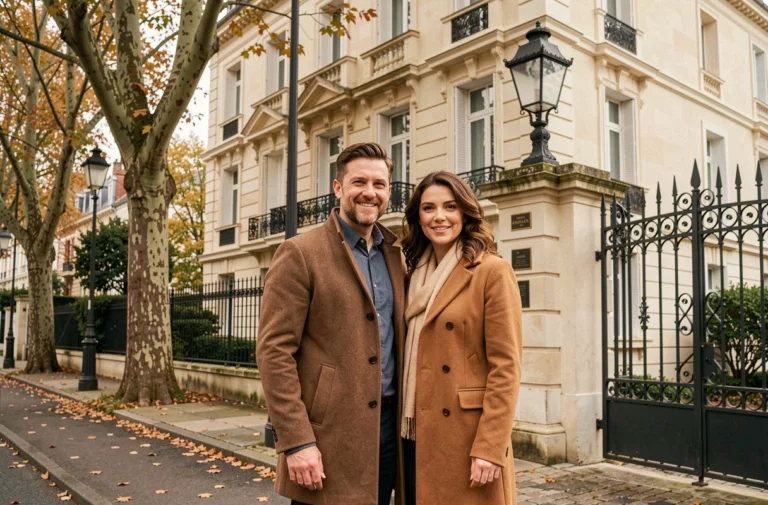
Only a few insiders know the exact location of the smallest house in Paris, hidden between two typical 19th-century buildings. Other addresses only open their doors at exceptional times, reserving their secrets for a select circle.
Unusual Paris: why the capital is full of unexpected secrets
For as long as anyone can remember, Paris has been inventing and reinventing itself through its alleys, forgotten squares, and stories that circulate just above the noise. The French capital is never just about the Eiffel Tower: it thrives on unusual stories, often overlooked by official guides. Behind every unusual place in Paris lies a living memory, etched in stone, old deeds, and urban rumor.
What explains such a profusion of unexpected secrets? Paris has pushed its walls back century after century, layering its history. Each era, each upheaval, each World Expo has left traces, generating heritages that often escape the hurried gaze. The Père Lachaise Cemetery is home to more than just celebrities: it contains anonymous graves, legends of ghosts, coded messages carved in granite. Further away, the covered passages, survivors from the 19th century, host confidential bookstores and artisan workshops, sheltered from the crowd.
Unusual stories and anecdotes are exchanged almost under the radar, perpetuating an oral tradition unique to the capital. Paris, by nature stratified, cultivates the art of the elusive. The Faits sur Paris website gathers a multitude, revealing unknown aspects of urban history. It is these margins, these alcoves, these voids full of meaning that give Paris its power to tell its story without ever exhausting itself, far from the expected folklore.
Which unknown places are truly worth a detour? Surprising anecdotes and stories
A detour in the Latin Quarter is enough to stumble upon the discreet ruins of ancient Roman baths, hidden beneath contemporary asphalt. The Cluny Museum, too often overshadowed by cultural giants, preserves stones that tell the city in layers. Some covered passages in Paris, remnants of the 19th century, unfold a muffled universe where the imprint of the first literary cafés and the spirit of bohemian Paris still linger.
The Sainte-Chapelle, a jewel of light on the Île de la Cité, captivates with the delicacy of its stained glass. Few visitors know that during the Revolution, pieces of these windows were hidden and then reinstalled during the restoration. Not far away, the Canal Saint-Martin sketches a secret aquatic network beneath the pavements, visible only during rare cleaning operations.
Here are some addresses and anecdotes not to be missed for the curious in search of discoveries off the beaten path:
- The museum of the history of medicine, hidden in a wood-paneled room of the faculty, displays true treasures: surgical tools from another age, stories of practitioners long forgotten.
- The Jardin des Plantes is not just a park: it houses a menagerie born from the Revolution, designed to accommodate animals rescued from the royal zoo of Versailles.
The Montparnasse Tower sparks much debate, but climbing to its observatory, at 210 meters high, reveals another Paris. Up there, the panorama unveils unsuspected rooftops and the secret relief of the capital. These sometimes discreet places enrich the narrative of a heritage that continues to surprise those who take the time to look differently.
Share your discoveries: Paris through your own anecdotes and favorites
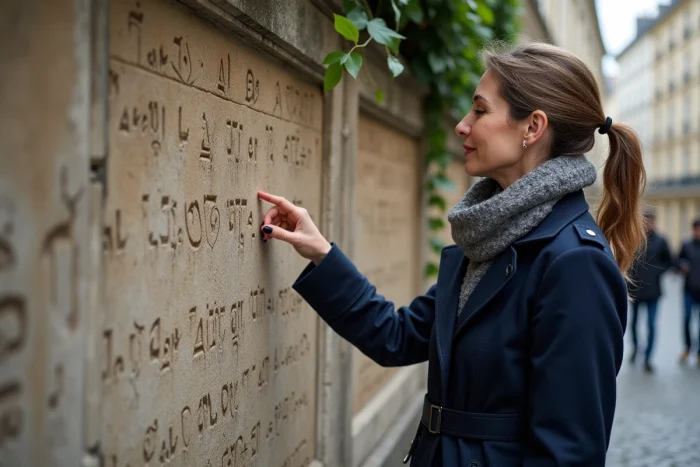
Through the streets, under the cobblestones of the Latin Quarter or behind a gate in Montmartre, the City of Light reveals itself far beyond its clichés. Extraordinary stories often arise from a conversation, an impromptu investigation, or a random stroll. Paris is full of hidden signs, discreet doors, forgotten mosaics, and plaques that evoke the memory of both the anonymous and the famous figures.
Everyone can share a piece of Paris that belongs to them: a covered passage imbued with the scent of wax and old papers, a façade adorned with a forgotten mask, an architectural detail rescued from the Belle Époque. The Seine at dawn, when only the first workers are reflected in it, or the calm of a small square near Clichy. These personal stories, pieced together, form a living and sensitive map, far from ready-made images.
To nourish this collective memory, here are some avenues to explore and share:
- A secret of the RATP discovered by chance in a ghost station of the metro.
- A walk in the footsteps of Nicolas Flamel, the mysterious alchemist whose legend still inhabits certain streets.
- The place where, in your opinion, the deep soul of Paris reveals itself.
Unusual anecdotes continue to surprise and feed curiosity. Sharing these discoveries is to give new life to the capital and to bring forth a story at the level of the individual, sometimes counter to official narratives. In this game, Paris remains elusive, unpredictable, always ready to surprise the next passerby.